
Finding Your Fitness Tribe: The Social Side of Starting Out

There are two kinds of runners in Bengaluru. The first kind wakes up at 5 AM, joins WhatsApp groups with names like “Rise & Run Warriors”, stretches dramatically near Cubbon Park, clicks post-run selfies after every few kilometres, and somehow knows seventeen different places serving “the best filter coffee in town.” The second kind runs alone. No conversations. No selfies. No “bro, what pace today?” discussions. Just shoes, sweat, and silence.
Jogging Jai belonged firmly to the second category.
For years, solitude had become his default setting. Army life had shaped him that way. Remote postings, freezing outposts, lonely trails, silent barracks, and landscapes where the wind itself sounded classified had quietly trained him to enjoy his own company. The man could spend entire mornings with nothing but his footsteps and thoughts for companionship. Well… thoughts and occasionally an Old Monk. Not the spiritual kind — the bottled kind. The dependable winter companion for officers stationed where temperatures and emotional availability both dropped below zero.
Even after returning to Bengaluru, the city where traffic moves slower than government paperwork and everyone owns at least one Decathlon purchase they regret, Jai continued his sacred ritual of solitary running. Every morning, headphones on and world switched off, he floated through Cubbon Road like a disciplined ghost. A polite nod here, a crisp “Jai Hind” there, and an expertly calibrated “Good Morning” depending on perceived seniority, age bracket, and moustache quality. Life was orderly, predictable, and comfortably silent.
Until one morning, laughter interrupted his rhythm.
A running group breezed past him. Not just running — laughing. One fellow was narrating what sounded like a disastrous Tinder date. Another was dramatically gasping halfway through a climb as though he was summiting Kargil again. Someone at the back shouted, “Coffee stop after this or I’m resigning from fitness!” And strangely, they looked genuinely happy. Not Instagram-happy. Actually happy. The kind of happiness born from shared suffering and mutual stupidity.
Jai slowed down for the first time in years.
Somewhere between their fading laughter and the sound of his own breathing, a dangerous thought entered his mind — had he mistaken loneliness for peace all this time?
Joining a civilian running group, Jai would soon discover, is far harder than military selection. At least in the Army, people tell you the rules. In running groups, nobody explains anything. You’re simply expected to know why everyone stops their watch at traffic lights with surgical precision, why “easy pace” is the biggest lie in modern civilization, and why runners discuss bowel movements with the honesty of war veterans. Also, somehow every route inevitably ends with dosa.
The first morning he joined them, Jai arrived exactly seven minutes early. Naturally. Military conditioning. The group, meanwhile, arrived in phases. One came yawning. Another carried cold brew coffee. Someone else was still pinning a bib from a marathon completed three months ago. And yet somehow, this chaos functioned beautifully.
There were startup founders, software engineers, retired colonels, heartbreak survivors, marathon evangelists, accidental runners, and one mysterious uncle who never spoke but outran everybody effortlessly. Bengaluru itself seemed stitched together by these strange little tribes. For the first time in years, Jai found himself studying people not by rank, but by rhythm.
Some ran for fitness. Some for healing. Some because therapy costs ₹2500 per session. And some simply because nobody judges you for crying during a long run if you call it “hydration issues.”
Every running group also has one silent battlefield nobody warns newcomers about — pace. Run too fast and you look like an attention-seeking overachiever. Too slow, and everyone suddenly becomes emotionally supportive. Jai experienced both extremes. One morning he accidentally overtook the group’s unofficial alpha runner, a man whose Garmin watch probably had diplomatic immunity. The silence afterward was chilling.
On another day, Jai struggled uphill so dramatically that two runners slowed beside him and began speaking in motivational TED Talk language. “You’re doing great, brother,” one said. “Listen to your body,” another added solemnly. Jai would later admit he briefly considered faking an injury just to escape the conversation.
But somewhere amidst these awkward miles, friendships quietly began forming. Not the loud Bollywood kind. The real kind. The kind built through shared exhaustion, postponed quitting, terrible weather, inside jokes, and post-run breakfasts where nobody remembers who ordered what but everyone somehow pays eventually.
Soon, the runs stopped being about running altogether. They became rituals.
The sleepy gathering under yellow streetlights. The pre-run stretching routines that looked medically unsafe. The heated filter coffee discussions more intense than UN negotiations. The dramatic weather complaints despite Bengaluru having the emotional range of a Labrador.
Every route developed mythology. That painful incline near Cubbon became “Cardiac Hill.” Unexpected rain showers became “Bengaluru Blessings.” One particularly dangerous pothole achieved landmark status. Slowly, the city changed for Jai too. Not through tourist brochures or military maps, but through stories. Hidden cafés. Tiny temples tucked into forgotten lanes. Street dogs that unofficially joined runs. Ancient banyan trees older than some democracies. Running with people had somehow made Bengaluru feel less like a posting and more like home.
Then came perhaps the most difficult challenge of all — wardrobe politics.
Jai’s running outfit belonged to another era. Immaculate white polo. Crisp black shorts. Old reunion cap. The look screamed: “Retired officer who still folds newspapers properly.” Meanwhile, everyone around him looked like sponsored athletes. Neon shoes. Compression gear. Dry-fit clothing with names sounding like fighter jet technology. One fellow looked aerodynamic while standing still.
Jai initially resisted. But then came her.
Every running group has one person who unknowingly triggers multiple fitness transformations. Maybe it was her effortless stride. Maybe her laugh. Maybe the fact she somehow looked fresh after fifteen kilometres while Jai resembled administrative collapse. Whatever the reason, Jai suddenly found himself wondering whether brighter running gear could improve cardiovascular performance. Purely scientifically, of course.
Soon, suspicious online shopping began. Performance tees. Better shoes. Moisture-wicking fabrics with names nobody fully understands. Honestly, IndiPeepal would have been dangerous for him at this stage. One stylish running tee and the man was emotionally prepared to sign up for ultra-marathons. Because sometimes self-improvement begins not with motivation, but with the desire to look slightly more impressive during coffee stops.
Of course, not every run was glorious. Some mornings, Jai’s body negotiated like a corrupt politician. Hamstrings protested. Knees filed complaints. Sleep won arguments. Then came the balancing act between running and golf — a battle of identities. Saturday evening drinks at the club or Sunday Long Run? Golf whites or running shoes? Perfect putts or perfect pacing?
Both worlds tempted him differently. The disciplined comfort of old circles versus the chaotic warmth of the new.
And perhaps that became Jai’s real transformation. Not becoming a runner, but allowing himself to belong again.
Months later, something unexpected happened. People started looking for him during runs.
“Where’s Jogging Jai?”
“Has he reached?”
“Tell him coffee is already ordered.”
Without realizing it, the lone wolf had quietly become part of the pack.
And maybe that’s what running groups truly are. Not fitness communities. Not networking circles. Not marathon factories. But tiny moving families stitched together through sweat, stories, heartbreaks, recoveries, jokes, and ridiculously early alarm clocks.
Somewhere between Cubbon’s trees, filter coffee cups, and Sunday long runs, Jai rediscovered something the Army had taught him long ago but solitude had made him forget — people survive better together.
So if you’re standing where Jai once stood, headphones on and world switched off, convincing yourself you prefer running alone, maybe try slowing down once. Maybe say yes to that running group.
Worst case? You lose a little solitude.
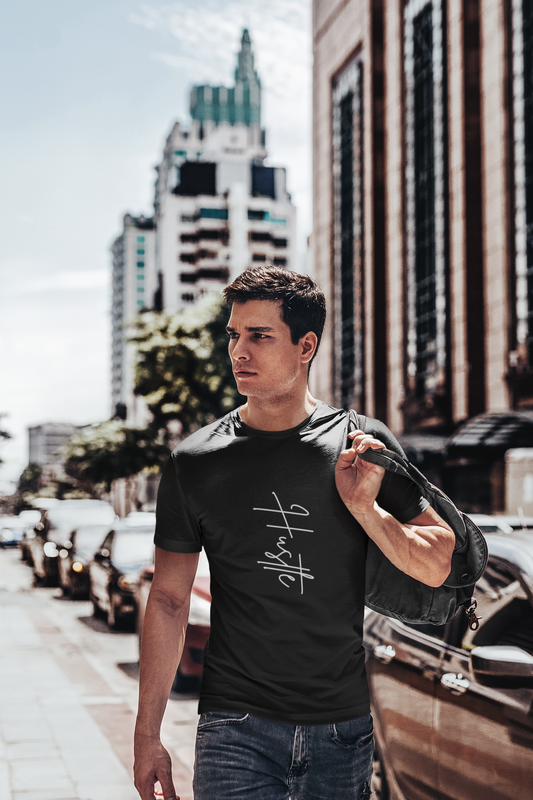
Best case? You find your tribe. Maybe even a reason to finally upgrade that wardrobe too. Because every legendary running group eventually needs three things — a coffee spot, an inside joke, and one ridiculously good tee everyone secretly wants to wear.
Maybe this is the one for you.
Because life, much like Bengaluru traffic and long-distance running, becomes infinitely easier when shared with the right people — One Run, One laugh and mayone one Coffee stop at a Time.
And if you’ve got a similar story — the awkward first run, the accidental friendships, the fitness disasters, the running romance, or simply the eternal battle between golf clubs and running shoes — drop it in the comments.
Every runner secretly believes their story deserves a documentary.
Related Blogs


















Really loved this piece. Personally I am at this stage. Solo running after hanging my boots has been on for 4 years. Joined watsup groups as a first, but feel a running group is must to light up your daily life. Thanks.